
Top Robotics Courses in India for Students After 12th (2026 Guide)
Robotics is one of the most exciting and rapidly growing technology fields in the world. From self-driving vehicles and intelligent manufacturing systems to AI-powered healthcare robots, robotics is transforming industries across the globe.
In India, the demand for robotics engineers and automation specialists is increasing as companies adopt Artificial Intelligence, Industry 4.0 technologies, and smart automation systems.
Many students completing their 12th grade are now exploring robotics courses in India to build careers in this futuristic field.
In this guide, we explore the top robotics courses students can pursue after 12th, the skills required, career opportunities, and how to start learning robotics in India.
Why Robotics is a Great Career Choice After 12th
Robotics is a multidisciplinary field that combines mechanical engineering, electronics, programming, and artificial intelligence to design intelligent machines.
Several factors are driving the growth of robotics careers in India:
Growing Automation Across Industries
Manufacturing, logistics, healthcare, and agriculture are increasingly adopting robotics and automation technologies.
High Demand for Skilled Engineers
Companies are actively looking for professionals who understand robotics systems, AI algorithms, and automation technologies.
Global Career Opportunities
Robotics engineers can work in international companies, research labs, startups, and advanced technology industries.
Because of these opportunities, robotics is becoming one of the most promising technology careers for students after 12th.
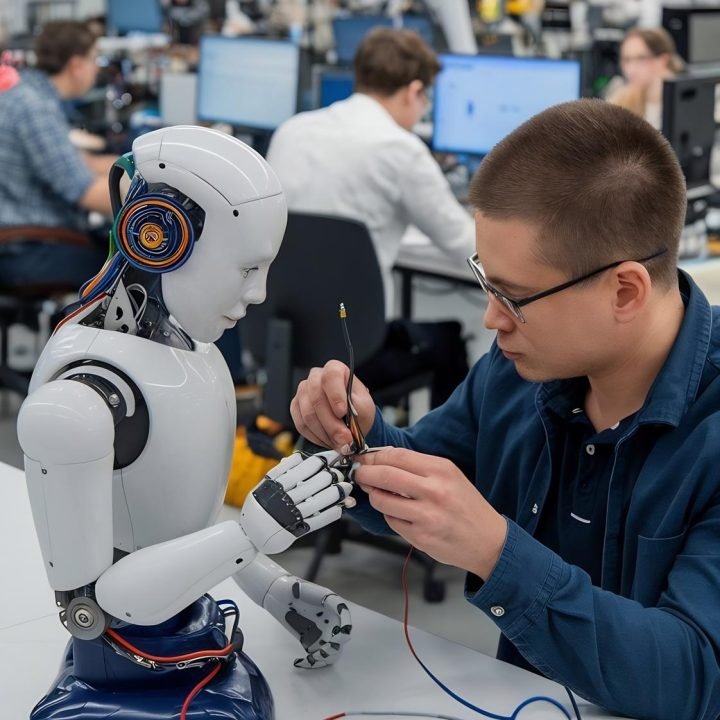
Top Robotics Courses Students Can Choose After 12th
Students interested in robotics can pursue several academic programs depending on their interests and career goals.
1. B.Tech / BE in Robotics Engineering
A Bachelor’s degree in Robotics Engineering is one of the most direct paths to becoming a robotics engineer.
This program typically covers topics such as:
- Robotics programming
- Artificial intelligence
- Control systems
- Embedded electronics
- Machine learning
- Automation technologies
The duration of this course is usually 4 years.

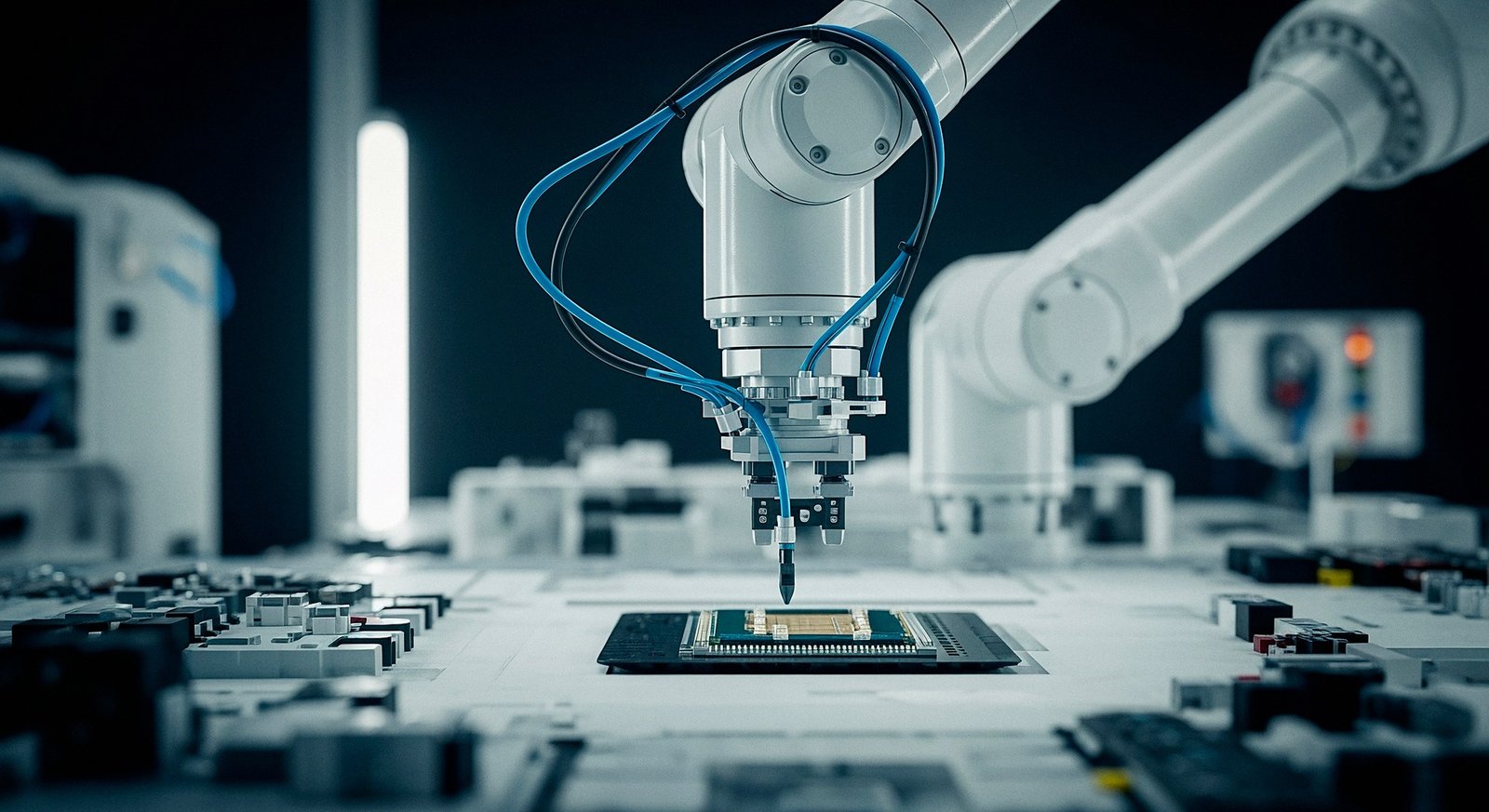
2. B.Tech in Mechatronics Engineering
Mechatronics combines mechanical engineering, electronics, and software development to build intelligent machines.
Students learn about:
- Sensors and actuators
- Robotics systems
- Control engineering
- Embedded systems
Many robotics engineers begin their careers through mechatronics programs.
3. B.Tech in Artificial Intelligence & Robotics
Some universities now offer specialized degrees that combine AI and robotics engineering.
These programs focus on:
- Machine learning algorithms
- Computer vision
- Robotics simulation
- Autonomous systems
Students interested in AI-powered robots and intelligent machines often choose this specialization.

4. Diploma in AI & Robotics Programs
In addition to traditional engineering degrees, many students choose specialized robotics training programs that focus on practical skills.
For example, the Diploma in AI & Robotics program offered by Forsche Technologies provides hands-on training in robotics programming, automation systems, and AI-powered robotics development.
Such programs help students gain industry-relevant skills through robotics labs, real-world projects, and simulation tools.
Key Skills Students Should Learn in Robotics
Robotics engineers require a combination of hardware and software skills.
Some important skills include: Programming
Languages like Python and C++ are widely used in robotics development. Artificial Intelligence & Machine Learning
AI allows robots to learn from data and perform intelligent tasks. Embedded Systems
Robots rely on sensors, microcontrollers, and actuators to interact with their environment. Computer Vision
Robots use cameras and image-processing algorithms to recognize objects and navigate environments. Robot Operating System (ROS)
ROS is a widely used robotics framework that allows developers to build complex robotic applications.
Students interested in mastering this technology can explore specialized programs like the PG Diploma in ROS at Forsche Technologies, which focuses on robotics programming and simulation tools.
Best Robotics Training Programs in India
Apart from engineering degrees, students can also pursue practical robotics certification programs that provide industry-focused training.
Some popular training areas include:
- 1.Artificial Intelligence and Robotics
- 2.Robot Operating System (ROS)
- 3.Machine Learning and Automation
- 4.Data Science for AI systems
- 1.Diploma in AI & Robotics
- 2.PG Diploma in AI & Machine Learning
- 3.PG Diploma in ROS (Robot Operating System)
- 4.PG Diploma in Data Science & ML
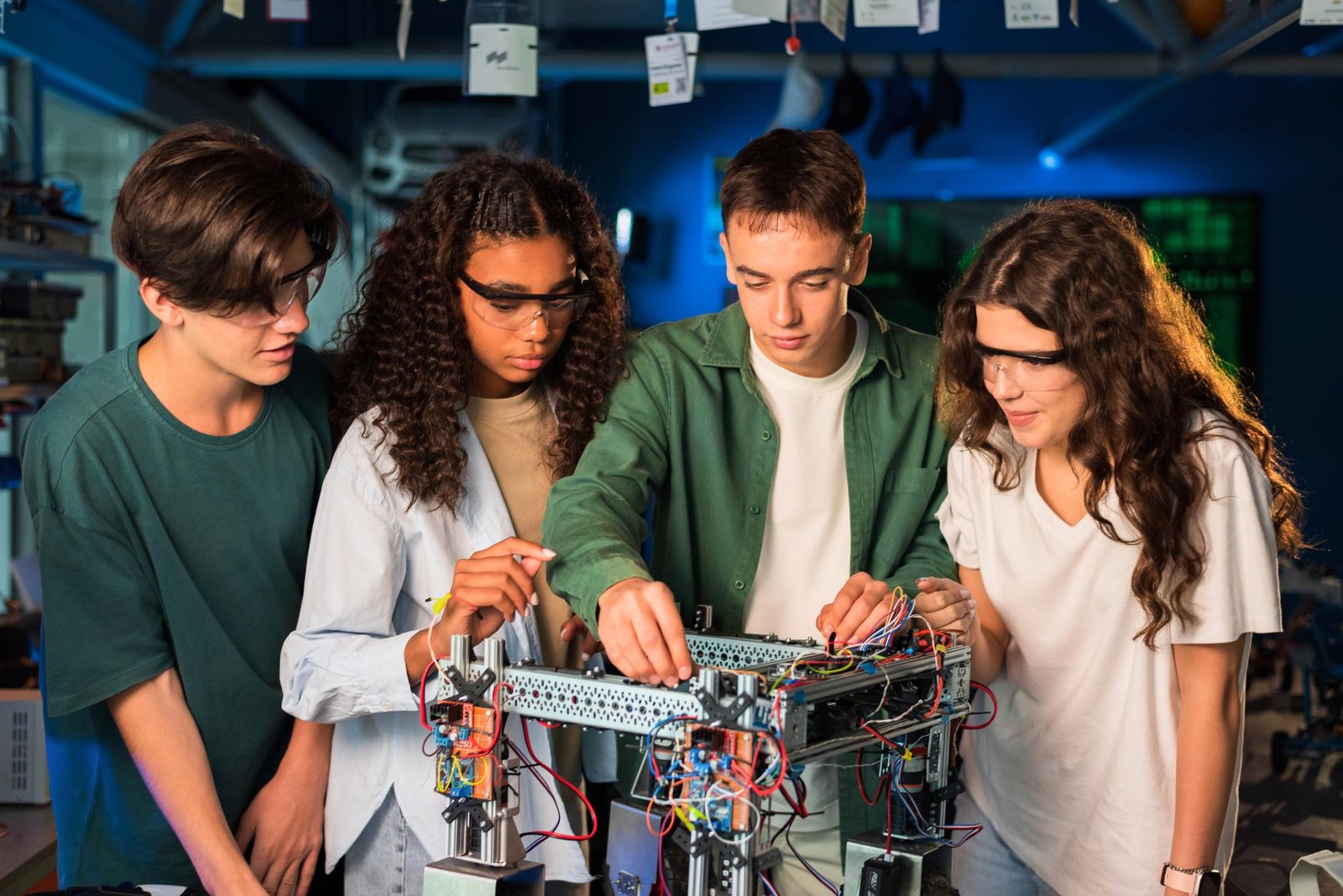
Career Opportunities in Robotics
Students who pursue robotics courses can work in a variety of industries.
Some popular job roles include:
- Robotics Engineer
- Automation Engineer
- AI Robotics Developer
- Embedded Systems Engineer
- Computer Vision Engineer
- Robotics Research Scientist
Industries hiring robotics professionals include:
- Manufacturing and industrial automation
- Healthcare robotics
- Logistics and warehouse automation
- Aerospace and defense
- Artificial intelligence startups
As robotics adoption increases, these job opportunities are expected to grow significantly.
Salary Expectations for Robotics Professionals in India
Salaries for robotics professionals depend on experience, skills, and industry.
Typical salary ranges include:
Entry-Level Robotics Engineer
₹4 LPA – ₹8 LPA
Mid-Level Robotics Engineer
₹8 LPA – ₹15 LPA
Senior Robotics Engineer / AI Robotics Specialist
₹15 LPA – ₹30 LPA+
Professionals with strong skills in AI, robotics programming, and automation technologies often receive higher salary packages.
How Students Can Start Learning Robotics After 12th
Students interested in robotics can begin learning through the following steps:
Build Strong Programming Skills
Start learning Python and basic C++ programming.
Learn Electronics Basics
Understand sensors, circuits, and microcontrollers used in robotics systems.
Work on Robotics Projects
Build simple robots like line-following robots or obstacle-avoidance robots.
Join Robotics Training Programs
Structured robotics training programs help students gain practical experience and industry-ready skills.
Conclusion
Robotics is rapidly transforming industries and creating exciting career opportunities for students interested in technology and innovation.
By choosing the right robotics courses in India after 12th, students can develop the skills needed to build intelligent machines, automation systems, and AI-powered technologies.
With strong foundations in programming, electronics, and robotics frameworks, students can build successful careers in one of the most innovative technology fields of the future.